Forensic chemists and toxicologists work with drugs and poisons, but they each start with different evidence. Forensic chemists working in a crime lab must determine if the physical evidence they receive is an illegal substance such as marijuana or cocaine. They are also responsible for samples – including fire debris, soil, paint, glass, explosives, and fibers – obtained from suspected arson crimes. Toxicologists, on the other hand, work with biological evidence such as blood, saliva, urine, and feces, using analytical chemistry to identify chemical traces and unmetabolized drugs. They often work in labs associated with a medical examiner’s office or a hospital. “Drugs, Poisons, and Chemistry” touches on all aspects of forensic chemistry.
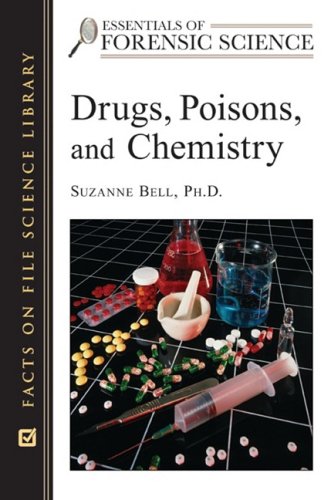
![[PDF] Drugs, poisons, and chemistry Suzanne Bell](https://digzon.com/wp-content/uploads/2024/04/ef9332325846b22925dec55a7a77596c-d.jpg)
![[PDF] Acoustic Microscopy (Monographs on the Physics and Chemistry of Materials) Andrew Briggs, Oleg Kolosov](https://digzon.com/wp-content/uploads/2024/04/27189cd37a8025cdc7d7c1049f0e3131-d.jpg)
![[PDF] The Joyous Cosmology: Adventures in the Chemistry of Consciousness Alan W. Watts, Timothy Leary, Richard Alpert](https://digzon.com/wp-content/uploads/2024/04/59cedbad540c4d10e9a1ef51b8341b94-d.jpg)
![[PDF] Understanding Our Environment R HARRISON](https://digzon.com/wp-content/uploads/2024/04/19b9af88553f774cf6285a2362c9f4a1-d.jpg)
![[PDF] Key Skills for Scientists: Getting the Message Across Kristy Macdonald](https://digzon.com/wp-content/uploads/2024/04/4050cd06e4b1f1de76252b8a1bc589f4-d.jpg)
Reviews
There are no reviews yet.