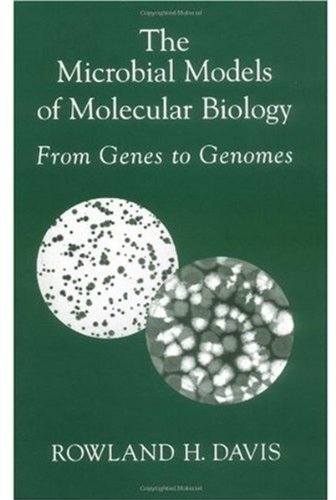
This book explains the role of simple biological model systems in the growth of molecular biology. Essentially the whole history of molecular biology is presented here, tracing the work in bacteriophages in E. coli, the role of other prokaryotic systems, and also the protozoan and algal models – Paramecium and Chlamydomonas, primarily – and the move into eukaryotes with the fungal systems – Neurospora, Aspergillus and yeast. Each model was selected for its appropriateness for asking a given class of questions, and each spawned its own community of investigators. Some individuals made the transition to a new model over time, and remnant communities of investigators continue to pursue questions in all these models, as the cutting edge of molecular biological research flowed onward from model to model, and onward into higher organisms and, ultimately, mouse and man.


Reviews
There are no reviews yet.